Md. Jamal Uddin
Many schools in Bangladesh still lack safe, private, water-connected and well-maintained toilets and menstrual-management facilities. That gap causes direct health risks (diarrhoeal and other infections), undermines menstrual hygiene management (MHM), and drives girls to miss school or drop out. International agencies and local NGOs (UNICEF, WaterAid, BRAC and the government) have been working on this, but major gaps remain.
How big is the problem (key facts)
Globally, millions of children lack basic sanitation services at school; Bangladesh has made progress but gaps remain in coverage and quality. (Global JMP / UNICEF surveillance).
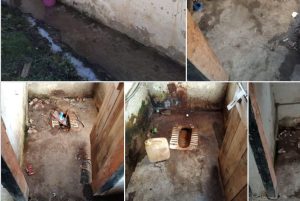
Country studies and NGO reports show low levels of fully functional, girl-friendly facilities (for example, one NGO report cited that only about 23% of students had access to adequate washrooms with soap, water and disposal for menstrual materials). Many schools do not meet the national pupil-toilet ratio.
BRAC Bangladesh +1
Water quality and hygiene risks exist in schools: recent evaluations in Bangladesh detected contamination (E. coli, metals) in school water and other WASH hazards that raise health concerns.
Why this creates health risks for girls (and others)
Infections from poor sanitation & water — contaminated water and dirty toilets increase risk of diarrhoeal disease and other enteric infections among children. Faulty or absent handwashing facilities increase transmission.
Urinary & reproductive tract problems — lack of clean, private toilets and water for washing can increase the risk of urinary tract infections (UTIs) and may contribute to reproductive tract infections when girls cannot manage menstruation hygienically. (Documented as a major concern in MHM literature.)
Unsafe adaptive behaviours — when school toilets are unusable or not private, girls may avoid using them, hold urine (which increases UTI risk), miss classes during menstruation, or go elsewhere where they may face harassment/violence. International reports highlight the safety and dignity risks for women and girls related to poor WASH.
Absenteeism and learning losses — inadequate MHM and toilet access cause girls to miss school regularly (several days per month for many), which harms learning outcomes and can increase dropout risk.
Root causes (why schools don’t have proper toilets)
Insufficient investment in infrastructure and maintenance (toilet blocks exist but are not functional).
Lack of water inside toilet blocks, no soap, no safe disposal for menstrual waste.
Cultural stigma, poor teacher training and weak school management of WASH/MHM.
Who’s acting / progress so far
Government policies and a National MHM strategy exist and set standards (e.g., school WASH standards, hygiene corners, disability-inclusive model toilets). UNICEF, WaterAid, BRAC and other NGOs have implemented school WASH and MHM programmes (model toilets, training, pad supply, MHM corners). Progress is measurable but uneven.
Practical actions (what to do now) — useful for school leaders, parents, NGOs, policymakers
For school leaders & teachers (immediate, low-cost moves):
Ensure each toilet block has a working lockable door, functioning water source (tap or bucket) and soap for handwashing. If running water isn’t possible immediately, provide a reliably refilled water container and soap. (Simple, cost-effective and reduces infections.)
Create a private, lockable “MHM corner” inside/near girls’ toilets with a disposal bin (lined) and weekly emptying, and provide a covered bin for used pads. If incineration is not available, secure collection and safe disposal arrangements must be made.
Allow girls free, unmonitored access to toilets during class (no pass system), and adopt a clear school policy allowing girls to leave class for MHM or toilet use without stigma. (This reduces absenteeism and risk of leakage/embarrassment.)
BRAC Bangladesh +1
Keep a small stock of basic menstrual supplies (disposable pads or reusable pads) and provide discreet access. Train at least a few teachers (female preferred) on MHM support and referral.
WaterAid
For parents & communities:
Talk about menstruation openly at home and encourage hygiene (handwashing, safe disposal). Support school fundraising for maintenance (soap, water containers, bin emptying).
WaterAid
For local government & policymakers:
Budget for maintenance (not only one-off construction): routine cleaning, water supply, soap, waste collection and monitoring against pupil-toilet ratio standards. Enforce the existing School WASH National Standards and scale up model inclusive toilets.
For NGOs, donors & partners:
Prioritise integrated WASH+MHM programmes: infrastructure + behaviour change + supply chains for affordable menstrual products + teacher training + monitoring (water testing, toilet function). Scale proven pilots (BRAC, UNICEF, WaterAid models).
Quick checklist schools can use (5 items)
Separate, lockable girls’ toilets (doors + working locks).
Water available inside or a reliably refilled container.
Soap/handwashing station + regular cleaning.
Covered disposal bin and safe collection for pads.
School policy allowing girls to use toilets freely and access to basic menstrual supplies.
Evidence & sources (selected)
I’ve used recent and authoritative sources so you can follow up:
UNICEF — WASH in Schools and Bangladesh WASH activities.
UNICEF +1
JMP / UNICEF global WASH in schools report (JMP 2024 update).
UNICEF DATA
BRAC & NGO reporting on MHM and school washroom access (statistics and programmes).
BRAC Bangladesh +1
Peer-reviewed and evaluation studies on school WASH water quality (E. coli findings) and MHM impacts on attendance.
IWA Publishing +1
Bangladesh National MHM / WASH policy documents and WaterAid guidance on MHM in Bangladesh.